Motorized Window Shades in Pittsburgh: Benefits, Where to Use Them & Are They Worth It?
Categories
Motorized window shades are not about adding technology simply because you can. They are about making the windows you use every day easier to live with.
Imagine your bedroom shades opening gradually in the morning, west-facing shades lowering before afternoon glare fills the room, or an entire wall of windows adjusting with one touch. In the right spaces, motorization quietly becomes part of the way your home works.
But does every window need to be motorized?
Usually, no.
At Shade Savvy, we design custom motorized and manual window treatments for homes and businesses throughout Pittsburgh and Western Pennsylvania. In many projects, the best solution is a thoughtful combination of the two—motorizing the windows where automation adds meaningful convenience while using beautifully coordinated manual shades in spaces where it does not.
This guide explains what motorized shades are, where they work best, when they are worth the investment, when manual shades may be the better choice, and what to consider before choosing a system.
What Are Motorized Window Shades?
Motorized window shades are window coverings with a small motor built into the roller tube or headrail.
Instead of raising or lowering the shade by hand, you can control it with a remote, wall control, smartphone app, timer, automation system, or compatible voice-control platform.
Depending on the motor, shade manufacturer, and home automation system, motorized shades can also operate on schedules or as part of customized scenes.
For example, your shades could:
- Open automatically in the morning
- Lower in the afternoon to reduce glare
- Close around sunset for privacy
- Coordinate with lighting and other automated systems
- Adjust multiple windows at the same time
Motorization is available on many types of custom window treatments, including roller shades, solar shades, Roman shades, cellular or honeycomb shades, and selected sheer or layered shade styles.
Power options can include rechargeable batteries, replaceable batteries, plug-in power, hardwired systems, and other manufacturer-specific solutions.
The right choice depends on the size and location of the window, how frequently the shade will be used, the product selected, and whether the project is new construction, a renovation, or an existing home.
What Are the Benefits of Motorized Window Shades?
1. Everyday Convenience
One of the biggest advantages of motorized shades is simply how easy they are to use.
A single shade—or multiple shades throughout a room—can be adjusted without walking from window to window.
This is especially helpful for:
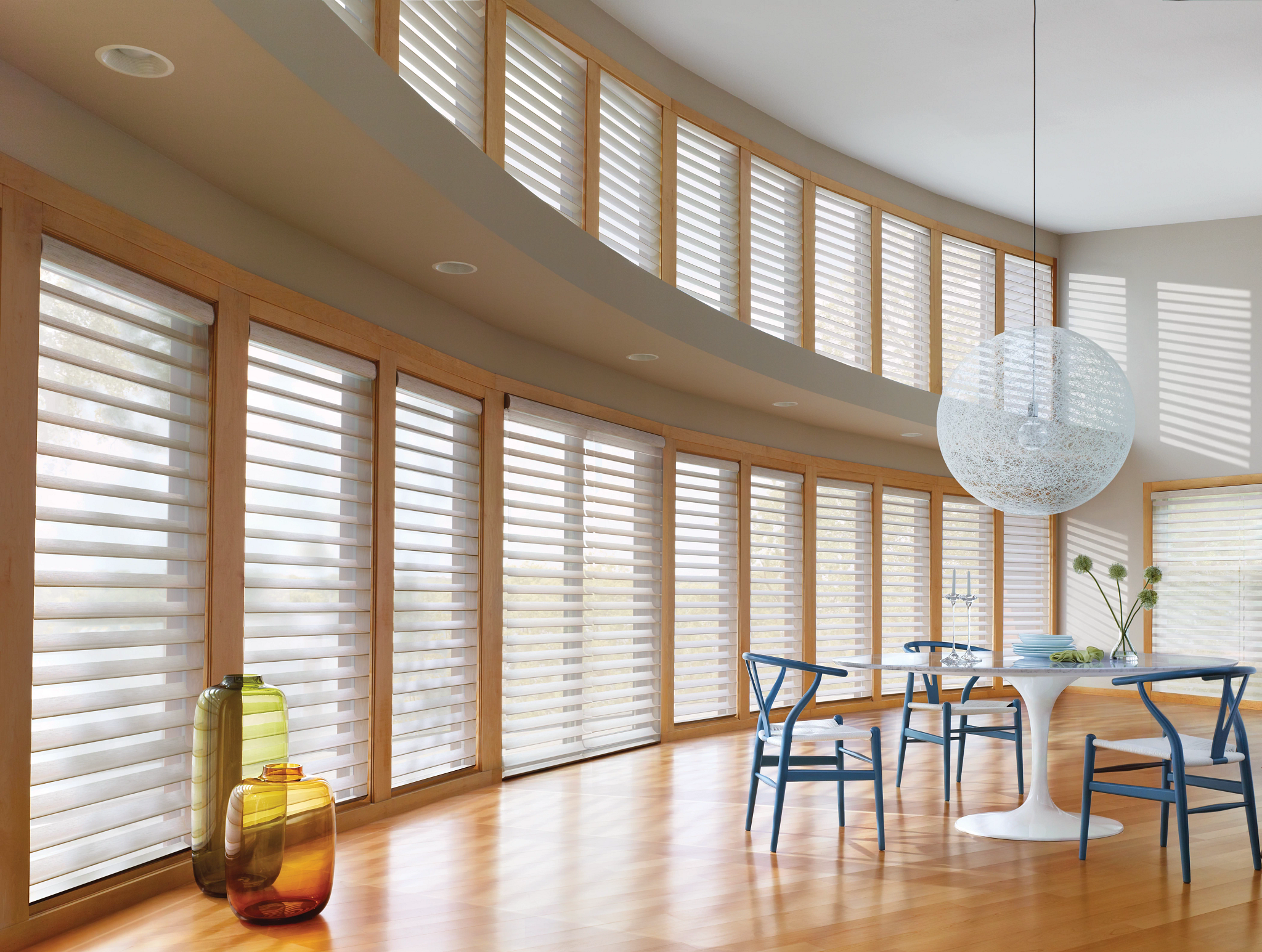
- Floor-to-ceiling windows
- Large expanses of glass
- Wide or heavy shades
- Windows above furniture
- Windows over tubs or sinks
- Tall foyer windows
- Hard-to-reach windows
- Multiple shades in the same room
For windows you adjust frequently, motorization can quickly become one of those conveniences you appreciate every day.
2. Better Light Control
Natural light changes throughout the day.
A room that feels comfortable in the morning may become too bright by late afternoon, especially in homes with south- or west-facing windows.
Motorized shades allow you to adjust the amount of light entering the space without interrupting what you are doing.
Depending on the system, shades can also be scheduled to respond to different times of day.
That can help reduce:
- Screen glare
- Harsh afternoon sunlight
- Excess brightness
- Unwanted heat gain
- Loss of privacy after dark
The result is a room that feels more comfortable throughout the day.
3. Increased Privacy
For many homeowners, privacy is one of the most useful reasons to automate window coverings.
Shades can be scheduled to lower in the evening when interior lights make a home more visible from outside.
This can be particularly helpful for:
- Front-facing rooms
- Street-facing windows
- Bedrooms
- Bathrooms
- First-floor living spaces
- Homes with large expanses of glass
Instead of remembering to close multiple shades each evening, the system can handle it automatically.
4. Protection for Flooring, Furniture and Artwork
Sunlight can gradually fade hardwood flooring, rugs, upholstery, furniture, artwork and other interior finishes.
Motorized shades make it easier to protect those materials consistently.
For example, shades on a west-facing wall can be scheduled to lower during the strongest afternoon sun and reopen later in the day.
Because the adjustment happens automatically, protection does not depend on someone being home to remember to close the shades.
5. A Clean, Cordless Appearance
One of the biggest design advantages of motorized shades is what you do not see.
There are no hanging cords or operating chains interrupting the window.
That helps preserve the clean architectural lines of the room and allows the fabric, window, view and surrounding design to take focus.
For modern, transitional and minimalist interiors, this can make a noticeable visual difference.
6. Child and Pet Safety
Cordless window treatments eliminate many of the dangling cords and chains associated with traditional shade operation.
That makes cordless and motorized products particularly appealing for homes with young children or pets.
Motorization also allows shades to be operated without pulling or handling cords near furniture, beds or play areas.
7. Smart Home Integration
Motorized shades can become part of a larger home automation system.
Depending on the shade motor and control platform, shades may integrate with lighting, climate, entertainment and other automated systems.
For example, a customized “Good Morning” scene might raise bedroom shades while adjusting selected lighting. A “Movie” scene could lower shades and adjust the room lighting at the same time.
A professionally designed system can also allow multiple shades throughout a room or home to move together for a clean, coordinated appearance.
Compatibility varies by manufacturer, motor and automation platform, so smart-home integration should always be considered before ordering the shades.
8. Energy Comfort
Windows can contribute to heat gain during warm weather and heat loss during colder months.
Strategically using shades can help make rooms more comfortable. During the summer, shades can be lowered during peak sun exposure. During colder months, homeowners may choose to open shades when sunlight can naturally warm a room and close them later for added insulation.
Certain window treatment styles, particularly cellular or honeycomb shades, can provide additional insulating benefits. Actual energy savings vary depending on the home, window construction, shade style, fabric and exposure.
Are Motorized Shades Worth It?
Motorized shades can absolutely be worth the investment—but not necessarily for every window in your home.
The better question is: Where will motorization improve the way you actually use the space?
We typically recommend considering motorization when a window is:
- Large
- Tall
- Difficult to reach
- Frequently adjusted
- Part of a group of several windows
- Exposed to strong changing sunlight
- Used for daily privacy
- Part of a smart-home system
Motorization can also be particularly valuable when someone in the household has limited mobility, dexterity or difficulty reaching traditional shade controls.
For these situations, automation is less about novelty and more about making the room easier and more comfortable to use.
Do You Need Motorized Shades on Every Window?
No.
And in many homes, we would not recommend it.
One of the most practical approaches is to motorize the spaces where automation will genuinely improve everyday life while using manual or cordless shades elsewhere.
For example, homeowners may choose motorized shades for:
- The primary bedroom
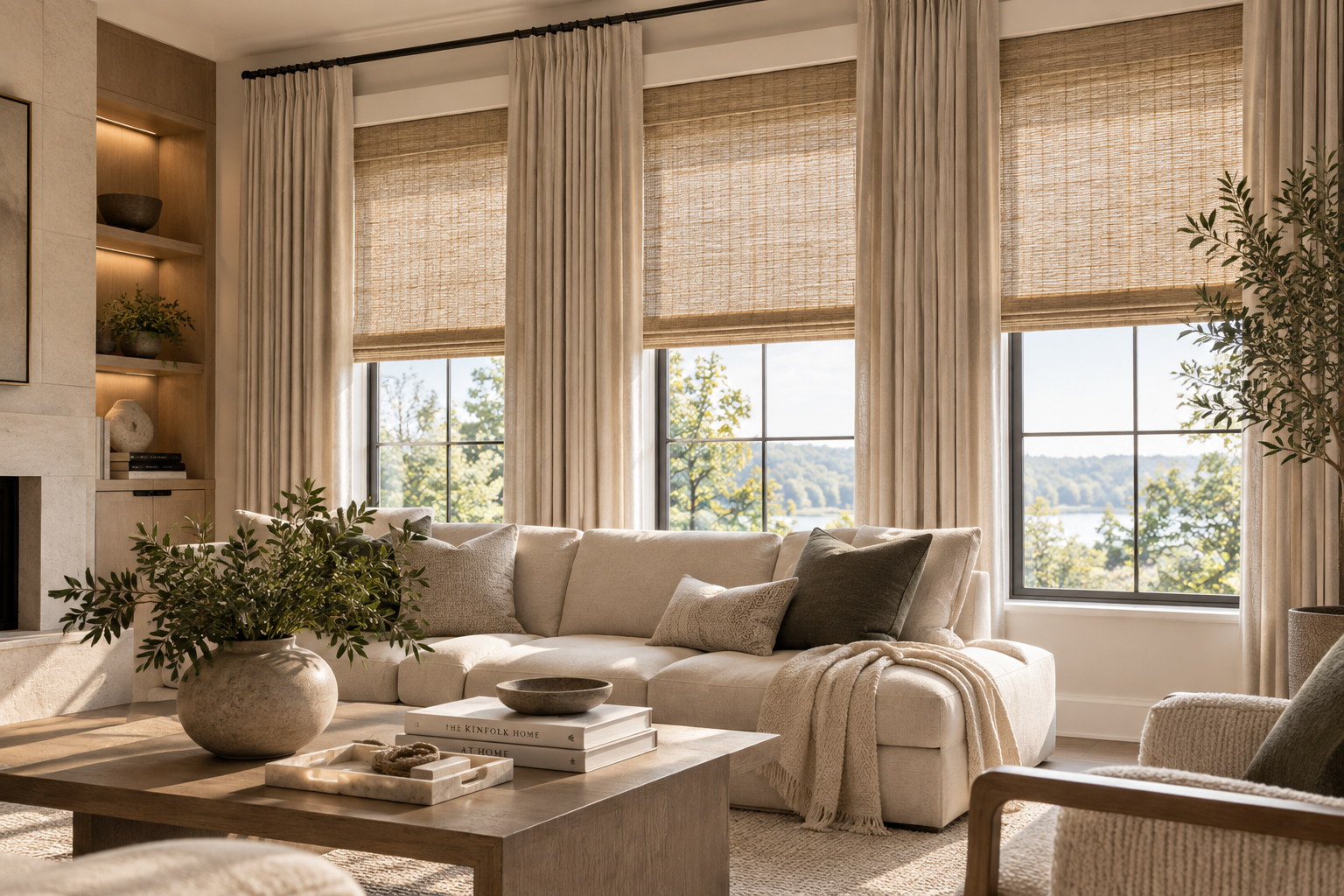
- A living room or great room
- A home office
- A bathroom with hard-to-reach windows
- Large west-facing windows
- A wall of floor-to-ceiling glass
Meanwhile, a dining room that is rarely used, a guest room, or an easily accessible secondary bedroom may work perfectly well with a high-quality manual or cordless shade.
The fabrics, finishes and shade styles can still coordinate throughout the home.
This approach allows you to invest in automation where it provides the greatest benefit without adding unnecessary cost to every window.
At Shade Savvy, our goal is not to motorize every shade. It is to help you determine where motorization makes sense for the way you live.
Where Should You Use Motorized Shades?
Motorized shades can work throughout the home, but certain spaces tend to benefit more than others.
Living Rooms and Great Rooms
Living rooms often have some of the largest windows in the home. Motorization allows homeowners to adjust several shades simultaneously and control changing sunlight throughout the day.
Popular options include roller shades, solar shades, sheer shades, and layered light-filtering and room-darkening treatments.
Primary Bedrooms
The primary bedroom is one of the most popular places for automated window treatments.
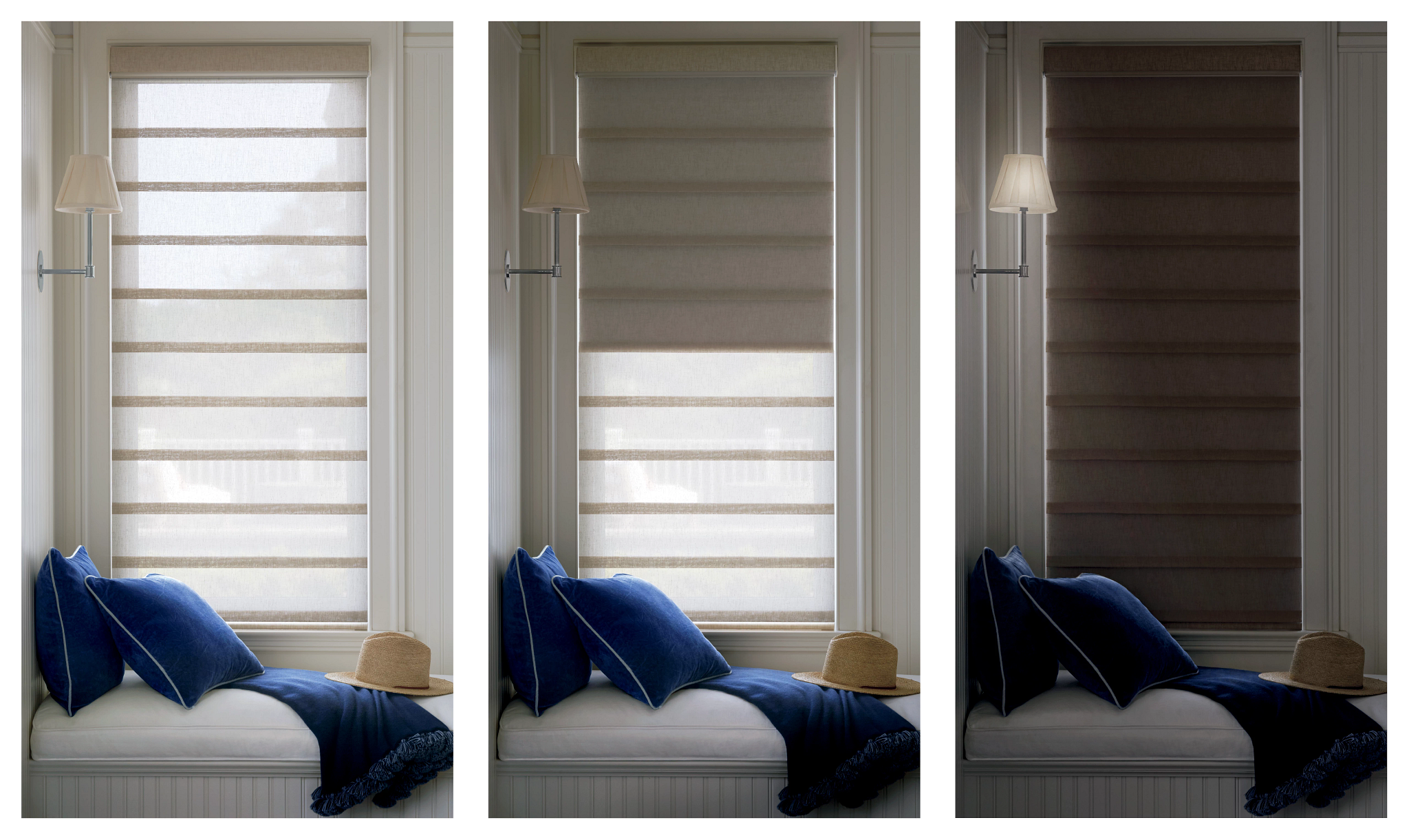
Motorized shades can close automatically in the evening, provide room darkening at night, open gradually in the morning, and eliminate the need to adjust shades from multiple windows manually.
Kids' Rooms and Nurseries
Cordless operation is an important consideration in rooms used by young children.
Motorized shades can also help maintain consistent nap and bedtime routines by making it easy to darken the room when needed. Manual cordless shades can also be an excellent choice when motorization is not necessary.
Home Offices
Motorized shades can help manage glare on computer screens throughout the day.
Solar or light-filtering shades are often useful because they can reduce glare while still allowing natural light into the room.
Kitchens and Bathrooms
Windows above sinks, counters, tubs and other fixtures can be difficult to reach. Motorization eliminates the need to lean over cabinetry or climb around fixtures simply to operate the shade.
Stairways, Foyers and Tall Windows
High windows are one of the clearest examples of where motorization makes sense. If operating a shade manually would require a ladder or simply is not practical, motorization provides an easy solution.
Sunrooms and West-Facing Spaces
Rooms with significant sun exposure can change dramatically throughout the day. Automated solar or light-filtering shades can help manage glare, heat, UV exposure and bright afternoon sunlight.
What About Motorized Shades for Commercial Spaces?
Motorized window treatments are also useful in commercial environments where multiple shades need to be operated consistently.
Shade Savvy works with commercial clients throughout the Pittsburgh area and Western Pennsylvania.
Offices and Conference Rooms
Multiple shades can be adjusted at the same time to control glare and presentation lighting. Solar roller shades are commonly used because they can reduce glare while maintaining some exterior visibility.
Hospitality Spaces
Hotels, short-term rentals and other hospitality environments can use layered window treatments to give guests flexible control over light and privacy.
Restaurants and Cafés
Changing sunlight can dramatically affect different areas of a restaurant throughout the day. Motorized shades allow staff to adjust light and glare without manually changing every window.
Medical, Dental and Wellness Offices
Cordless shades provide a clean appearance while reducing operating cords in treatment and waiting areas. Motorization can also make privacy adjustments easier.
Retail and Showrooms
Solar shades can help protect merchandise and displays from UV exposure while still allowing natural light into the space.
Churches, Schools and Event Spaces
Large windows, high ceilings and presentation areas can make manual shade operation difficult. Zoned motorized shades can provide more practical control in these environments.
When Do Motorized Shades Make the Most Sense?
New Construction or Remodeling
If walls are already open, it is an ideal time to discuss hardwired motorized shades. Planning power before drywall is installed can create a very clean installation and eliminate the need for visible wiring later.
Hard-to-Reach Windows
Windows above stairs, tubs, counters or tall architectural spaces are natural candidates for motorization.
Wide or Heavy Shades
Larger shades can be more difficult to operate manually. Motorization provides consistent movement without repeatedly pulling a chain or shade.
Rooms With Changing Sunlight
East-, south- and west-facing rooms can experience significant changes in light and glare during the day. Scheduled shade movement can help manage these changes automatically.
Smart Homes
If your home already includes automated lighting, climate, entertainment or security systems, motorized shades can become another integrated part of the environment.
Second Homes and Frequent Travel
Scheduled shade movement can provide privacy, protect interior furnishings from sun exposure and give the home a more lived-in appearance while you are away.
Commercial Spaces With Multiple Windows
Operating dozens of shades manually can be time-consuming. Motorization allows groups of shades to move together for a more consistent appearance.
When Are Manual Shades the Better Choice?
Motorization is not necessary everywhere.
Manual or cordless shades may be the better option for:
- Small windows
- Easily accessible windows
- Guest bedrooms
- Seldom-used rooms
- Spaces where shades are rarely adjusted
- Projects with tighter budgets
A high-quality manual shade can still provide beautiful design, privacy, light control and cordless operation.
Many of our projects use a combination of motorized and manual shades throughout the same home. The key is making those decisions intentionally.
What Type of Power Should You Choose for Motorized Shades?
Rechargeable or Battery-Powered Shades
Battery-powered systems are popular for existing homes because they typically do not require opening walls to install wiring.
Battery life and charging frequency vary depending on shade size, motor type, frequency of use, battery system and manufacturer.
Hardwired Motorized Shades
Hardwired systems are often ideal for new construction and major renovations. Because the wiring can be planned before walls are finished, the final installation can be very clean.
Plug-In and Other Power Options
Certain products may also offer plug-in or other manufacturer-specific power solutions. The best option should be determined during the design and measurement process.
Can Motorized Shades Be Added to Existing Windows?
Yes.
Motorized shades are not limited to new homes.
Battery-powered and rechargeable motor systems make it possible to add automation to many existing windows without opening walls or running new electrical wiring.
This can make motorized shades a practical option for older Pittsburgh homes as well as newer construction.
What Should You Consider When Choosing Motorized Shades?
Choose the Fabric for the Room
The motor is only one part of the window treatment. The fabric still needs to perform properly for the space.
- Blackout or room-darkening fabrics for bedrooms
- Light-filtering fabrics for living spaces
- Solar fabrics for glare and strong sun exposure
- Sheer options where softened natural light is desired
The color, texture and opacity should complement the architecture and overall interior design.
Think About the Entire Room
Window treatments should feel intentional within the space. Consider wall color, flooring, furniture, drapery, hardware finishes, window trim, natural light and exterior views.
Motorized shades should still look like part of the interior design rather than simply a technology product attached to a window.
Plan Smart-Home Compatibility Early
If the shades will be part of a home automation system, discuss compatibility before selecting the motor. Different motors and manufacturers integrate differently with automation platforms.
Group Shades Thoughtfully
Large rooms often look best when shades move together. Groups might include the primary bedroom, great room, front of home, west-facing windows, first floor or entire house.
Include Simple Controls
Not everyone wants to open an app every time they adjust a shade. Wall controls and handheld remotes can provide simple everyday operation for family members and guests.
A good motorized-shade system should make life easier—not more complicated.
Professional Measurement Matters
Precise measurements are particularly important for motorized and custom window treatments. Accuracy affects light gaps, fabric alignment, motor fit, hardware placement and overall appearance.
Professional measurement and installation can make a substantial difference in the final result.
Motorized vs. Manual Shades: Which Is Better?
Neither option is automatically better. The right choice depends on the room.
Motorized shades are often best for:
- Large windows
- Tall windows
- Hard-to-reach windows
- Frequently adjusted shades
- Smart homes
- Rooms with significant sun exposure
- Commercial spaces
- Multiple windows that should operate together
Manual or cordless shades are often best for:
- Smaller windows
- Easily accessible windows
- Low-use rooms
- Guest rooms
- Spaces where automation adds little benefit
- Projects where budget is a priority
Many homeowners ultimately choose both.
Motorized Shades for Pittsburgh Homes
Homes throughout Pittsburgh and Western Pennsylvania vary dramatically in age and architecture.
You may be working with a historic home with original window openings, a traditional home with tall windows, a newer home with expansive glass, a contemporary home with oversized windows, or a renovation where wiring access is limited.
Pittsburgh also experiences distinct seasonal changes. Strong summer sun, changing sun angles, cold winters and extended periods of gray weather all affect how natural light interacts with the home.
The right window treatment should account for more than the appearance of the fabric. It should also consider window exposure, privacy, glare, UV protection, heat gain, insulation and how frequently the shade will actually be used.
That is why custom window treatments are not simply about selecting a color from a sample book. The best solution begins with understanding the room.
Frequently Asked Questions About Motorized Window Shades
Are motorized window shades worth it?
Motorized shades are often worth the investment for large, tall or difficult-to-reach windows, frequently used rooms, smart homes, spaces with changing sunlight and areas where multiple shades need to operate together.
For smaller or easily accessible windows, a quality manual or cordless shade may be all you need.
Do all shades in a house need to be motorized?
No. Many homes are best served by a combination of motorized and manual shades. Motorization can be reserved for the spaces where it provides the greatest convenience while matching manual shades are used elsewhere.
Can motorized shades be installed in an existing home?
Yes. Rechargeable and battery-powered motor systems make it possible to add motorized shades to many existing homes without running new electrical wiring.
Do motorized shades work with smart-home systems?
Many motorized shade systems can integrate with smart-home platforms and professionally installed automation systems. Compatibility varies by motor, manufacturer and automation platform, so integration should be confirmed before ordering.
Do motorized shades work during a power outage?
Battery-powered shades can generally continue operating as long as the battery has sufficient charge. The operation of hardwired systems during a power outage depends on the motor, control system, backup power and installation.
Are motorized shades safe for children and pets?
Motorized shades eliminate many of the dangling operating cords and chains associated with traditional window treatments. Cordless manual shades can also be an excellent option for homes with children and pets.
How long do motorized shade batteries last?
Battery life varies considerably depending on the manufacturer, motor type, size of the shade and how frequently it operates. Your specific product should be reviewed before installation.
Can motorized shades help protect furniture from fading?
Yes. Scheduling shades to close during periods of strong direct sunlight can help reduce UV exposure to flooring, furniture, upholstery, rugs and artwork.
Can motorized shades help with heat and glare?
Yes. The appropriate shade and fabric can help reduce glare and manage solar heat gain. Solar shades, cellular shades, light-filtering fabrics and other products can be selected based on the needs of the room.
How much do motorized window shades cost in Pittsburgh?
The cost of custom motorized shades varies based on window size, shade style, fabric, motor, power source, control system, smart-home integration and installation requirements.
Because custom window treatments are designed for the specific window and room, an in-home consultation and professional measurement provide the most accurate pricing.
Should You Choose Motorized or Manual Shades?
The best window treatment is not necessarily the one with the most technology. It is the one that works best for your space and the way you live.
For some rooms, that may mean fully automated shades integrated into your home's lighting and control system. For another room, a beautifully made cordless manual shade may be the smarter choice.
At Shade Savvy, we help homeowners, designers, builders and businesses throughout Pittsburgh and Western Pennsylvania select the right combination of motorized and manual custom window treatments based on light, privacy, architecture, function and design.
Ready to Explore Your Options?
Whether you are building a new home, renovating, updating one room or designing a commercial space, Shade Savvy can help you determine where motorized shades make sense—and where they may not.
We bring fabric samples, shade options and design expertise directly to your space so you can see how materials, colors and light interact in the actual room.
Schedule your complimentary design consultation with Shade Savvy to explore custom motorized and manual window treatments for your home or business in Pittsburgh and Western Pennsylvania.


Tags
- 2027 Design Trends
- Custom Drapery
- Custom Shades
- Drapery
- Interior Design
- Layered Window Treatments
- Manual Shades
- Motorized Shades
- Pittsburgh Interior Design
- Pittsburgh Window Treatments
- Shades and Drapery
- Smart Home Technology
- Wexford PA
- Window Treatments
- blackout shades
- light-filtering shades
- room-darkening shades
